Basement Moisture Signs to Address Before Remodeling
Basement moisture problems should be identified and corrected before finishing because hidden water can damage walls, floors, insulation, and new finishes. HomeRemodelIssaquah.com checks the source, documents the affected areas, and plans basement remodeling around a dry, sound space.
Request an Estimate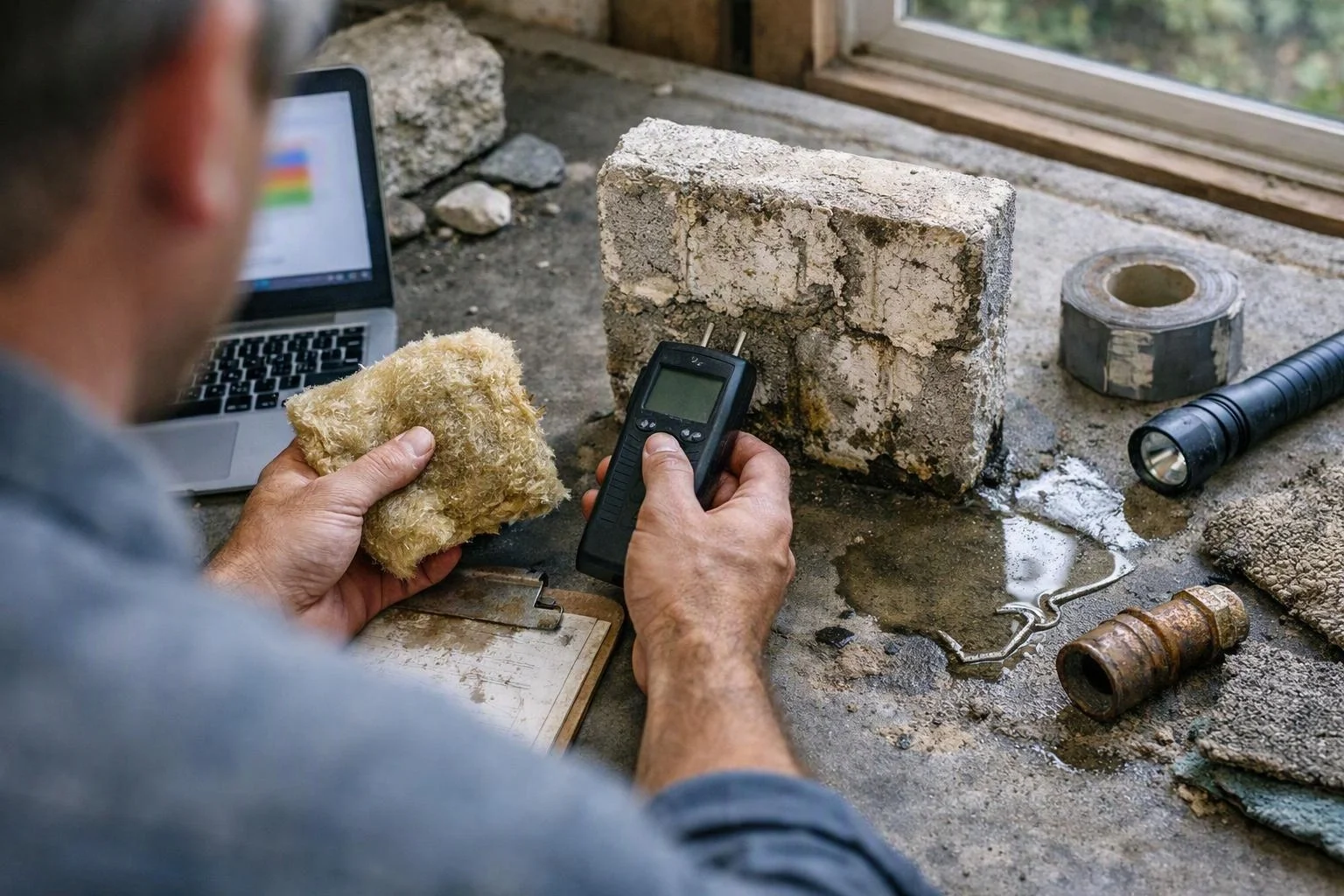
Why Basement Moisture Must Be Addressed Before Finishing
Basement moisture must be addressed before finishing because enclosed materials can hide leaks and trap dampness.
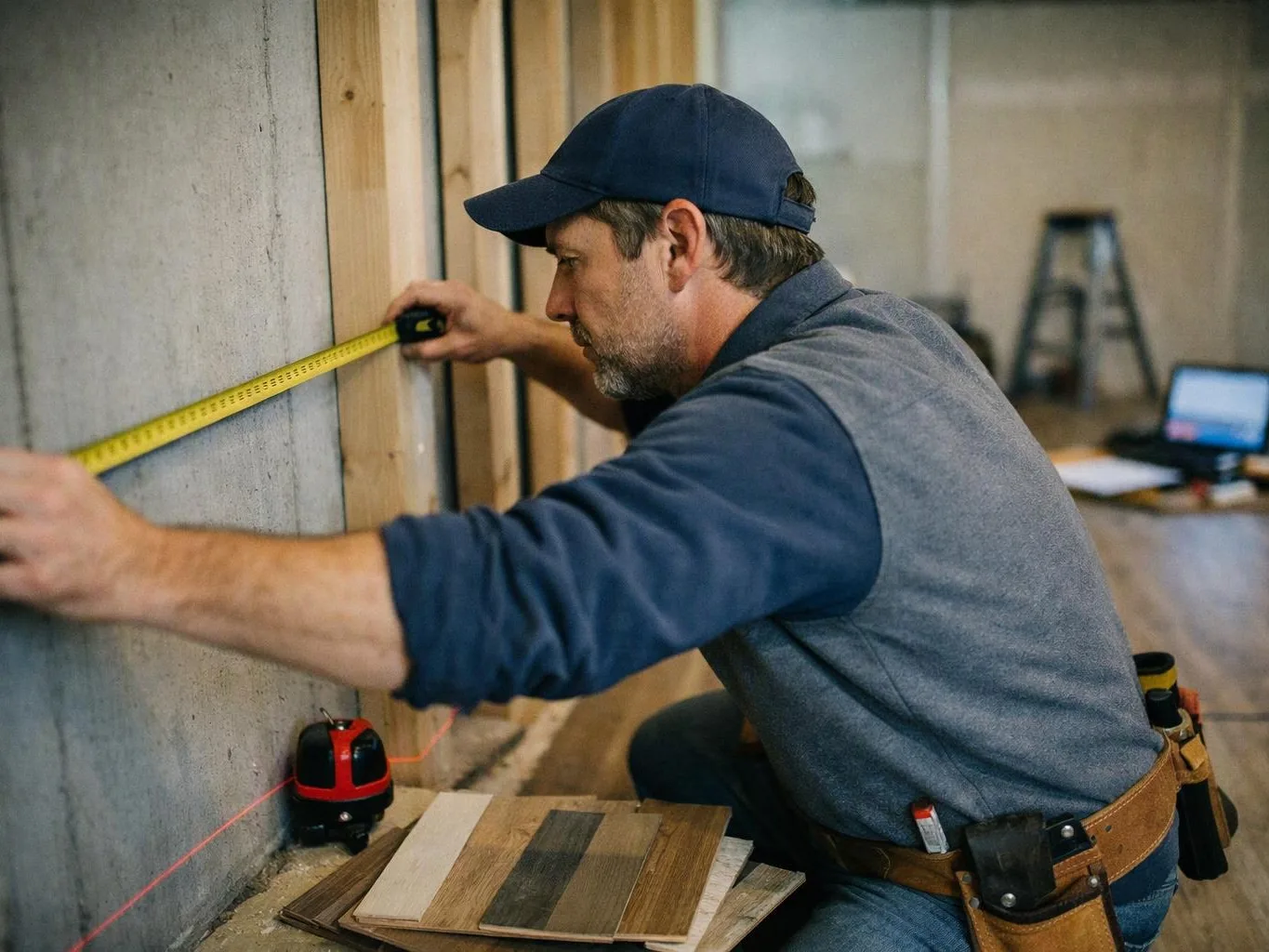
Basement remodeling can cover foundation walls, plumbing, and floor areas that need inspection. Water damage may weaken building materials, damage insulation, and support mold growth behind new drywall.
HomeRemodelIssaquah.com traces the moisture source before we plan basement finishing. We separate water repairs from finish work so the remodeling plan starts with a sound space.
Our Basement Remodeling service is planned around moisture control, safe assemblies, and durable finishes.
Use This Moisture Check Before Remodeling
A basement moisture check should compare visible signs, likely sources, remodeling risks, and the correct next step.
Walk through the space after wet weather and during normal use. We use your observations with our moisture inspection to focus the assessment.
| Area | Signs to check | Likely concern | Remodeling response |
|---|---|---|---|
| Basement walls | Water trickling, cracks, stains, or white residue | Foundation seepage or water intrusion | Trace the source before covering the wall |
| Basement floor | Standing water, damp spots, or floor stains | Slab moisture, seepage, or a drain issue | Correct the source and confirm proper drying |
| Ceiling | Water stains or peeling finishes | Plumbing leaks or water from above | Repair the source before closing the ceiling |
| Windows | Wet frames, damp sills, or full window wells | Rainwater entry or poor drainage | Improve seals and exterior water control |
| Sump pump | Frequent running, overflow, or a blocked discharge line | Drainage or equipment problems | Review the pit, pump, discharge, and backup needs |
These signs can overlap, so one visible symptom may have more than one source. We document the affected areas before setting the remodeling scope.
Mistake: Covering Water Trickling Out of Basement Walls
Water trickling out of basement walls usually points to seepage through a foundation crack, joint, or porous masonry.
Hydrostatic pressure can push water through weak points when surrounding soil stays wet. Covering the wall raises the cost of future repairs because finishes may need removal.
We trace the water path, review exterior drainage, and assess the foundation walls. The fix may involve drainage improvements or repairs before wall assemblies are installed.
Mistake: Finishing Over Damp Basement Floors
Standing water or persistent floor moisture means the concrete floor is not ready for new finishes.
Moisture can move through a concrete slab and damage flooring, adhesives, or trim. A missing or poorly selected vapor barrier can increase the remodeling risk.
We identify the source, allow proper drying, and select moisture-resistant materials for the floor assembly. We also review nearby floor drains and transitions.
Mistake: Ignoring Musty Odors and Humid Air
Musty odors and humid air are signs that a damp basement may have hidden moisture.
High indoor humidity can support mold growth and make stored materials smell stale. Poor air circulation can keep damp areas from drying.
We look for moisture sources, affected materials, and ventilation concerns. Our plan may include drying, dehumidification, and better air circulation before finishing.
Mistake: Painting Over Efflorescence or Wall Stains
Efflorescence is a white powder left behind when water moves through masonry and carries minerals to the surface.
Wall stains can return when water intrusion continues behind fresh paint. Painting over masonry does not correct the moisture source, and removal later can add to the remodeling cost.
We inspect the stained area, check nearby drainage, and identify signs of continuing seepage. We plan coatings only after the wall is suitable for the selected finish.
Mistake: Hiding Mold or Rot Behind New Walls
Mold or wood rot behind new walls shows that concealed moisture has already affected the framing or drywall.
Closing the area can hide damage and make future repairs more disruptive. Wet insulation and framing can also affect indoor air quality.
We document damaged materials and review the wall assembly before closing it. Our crew removes or repairs affected components within the approved remodeling scope.
Mistake: Skipping Basement Window and Door Checks
Basement windows, window wells, and exterior doors can let rainwater enter when seals or drainage fail.
Blocked window wells, damaged weather seals, and poor grading can leave water against openings. The cost grows when wet trim, drywall, or flooring needs replacement.
We inspect the openings and follow the water path toward the exterior. We include needed seal, drainage, and finish repairs in the remodeling scope.
Mistake: Treating a Sump Pump as the Complete Solution
A sump pump removes collected water, but it does not correct every foundation drainage problem.
A damaged discharge line, poor sump pit condition, or power loss can leave the basement exposed. Water may still enter through walls, windows, plumbing, or the floor.
We review the sump pit, pump operation, discharge line, foundation drainage, and power backup needs. We coordinate the remodeling plan with the drainage solution.
Mistake: Starting Remodeling Before Finding the Water Source
A basement remodeling project should not begin until the moisture source is identified.
Roof drainage, gutters, plumbing leaks, and foundation seepage can create similar signs. Treating the visible stain alone can leave the underlying problem active.
We compare interior evidence with exterior drainage and plumbing conditions. Then we separate source repairs from the finish schedule and project scope.
Mistake: Treating Moisture as Only a Cosmetic Problem
Basement moisture can affect structural materials, insulation, electrical systems, and indoor air quality.
New drywall and flooring may hide damage while making later access harder. Moisture can also reduce the service life of remodeling materials.
We review the affected assemblies and flag concerns that need licensed trade work. We then build a finish plan around safe repairs and applicable building code.
What Our Basement Remodeling Assessment Covers
Our basement remodeling assessment traces visible moisture, reviews affected assemblies, and separates water repairs from finish work.
HomeRemodelIssaquah.com reviews the moisture source, wall assemblies, floor assemblies, openings, and visible damage. We document conditions that could affect insulation, drywall, flooring, or framing.
We also review the planned remodeling scope against building code and inspection needs. When plumbing, electrical, structural, or drainage work is required, our team coordinates the proper licensed work.
The resulting estimate reflects the actual scope, including preparation, repairs, drying, materials, and finish installation. The project cost depends on the source, damage, access, and selected materials, so we prepare the quote after reviewing the space.
How to Prepare a Moisture-Affected Basement for Remodeling
A moisture-affected basement is ready for remodeling only after the source, damage, drying, and required repairs are addressed.
Homeowners can safely record signs and keep the area accessible. We handle the assessment and coordinate work that involves regulated systems or structural concerns.
When to Call HomeRemodelIssaquah.com About Basement Moisture
Call HomeRemodelIssaquah.com when moisture is active, hidden damage is possible, or planned finishes could seal in damp materials.
Our team can review the condition before you commit to basement finishing. Early assessment helps define the repair scope and prevents unsuitable materials from covering wet areas.
Plan a Dry, Durable Basement Remodel
A durable basement remodel starts with moisture control, sound materials, and a scope that addresses the cause before the finishes.
We match the remodeling plan to the basement's moisture history, wall and floor conditions, ventilation needs, and intended use. Our team selects durable, moisture-resistant materials only after the space is ready for them.
HomeRemodelIssaquah.com can review the affected area, explain the repair priorities, and prepare a remodeling estimate based on the project scope. Contact us to plan a basement that stays comfortable and accessible after the work is complete.
Questions About Basement Moisture Before Remodeling
Can you finish a basement that has moisture problems?
Yes, HomeRemodelIssaquah.com can plan basement finishing after the moisture source and affected materials are addressed. We inspect the space, define the repairs, and select finishes that fit the dry, sound conditions.
What does water trickling out of basement walls mean?
Water trickling out of basement walls usually means water is moving through a foundation crack, joint, or porous masonry. We trace the seepage and review drainage before planning wall finishes.
Why is there standing water on my basement floor?
Standing water on a basement floor can come from slab seepage, a floor drain issue, plumbing leaks, or water entering from nearby walls. We inspect the area and identify the source before flooring is installed.
Should basement walls be dry before finishing?
Yes, basement walls should be dry and free from active seepage before finishing. Our team confirms the moisture source, addresses affected materials, and plans the wall assembly after the conditions are suitable.
Related Resources
ADU Options: Detached, Attached, Garage, and Basement Conversions
Why It MattersWhen Remodeling an Existing Home Makes Sense — and When to Reconsider
Everything About ItHow to Plan a Home Remodel: Scope, Priorities, Budget, and Project Sequence
Everything About ItBasement Remodeling Options: Living Space, Guest Suite, or ADU