Which materials are commonly used for finish carpentry?
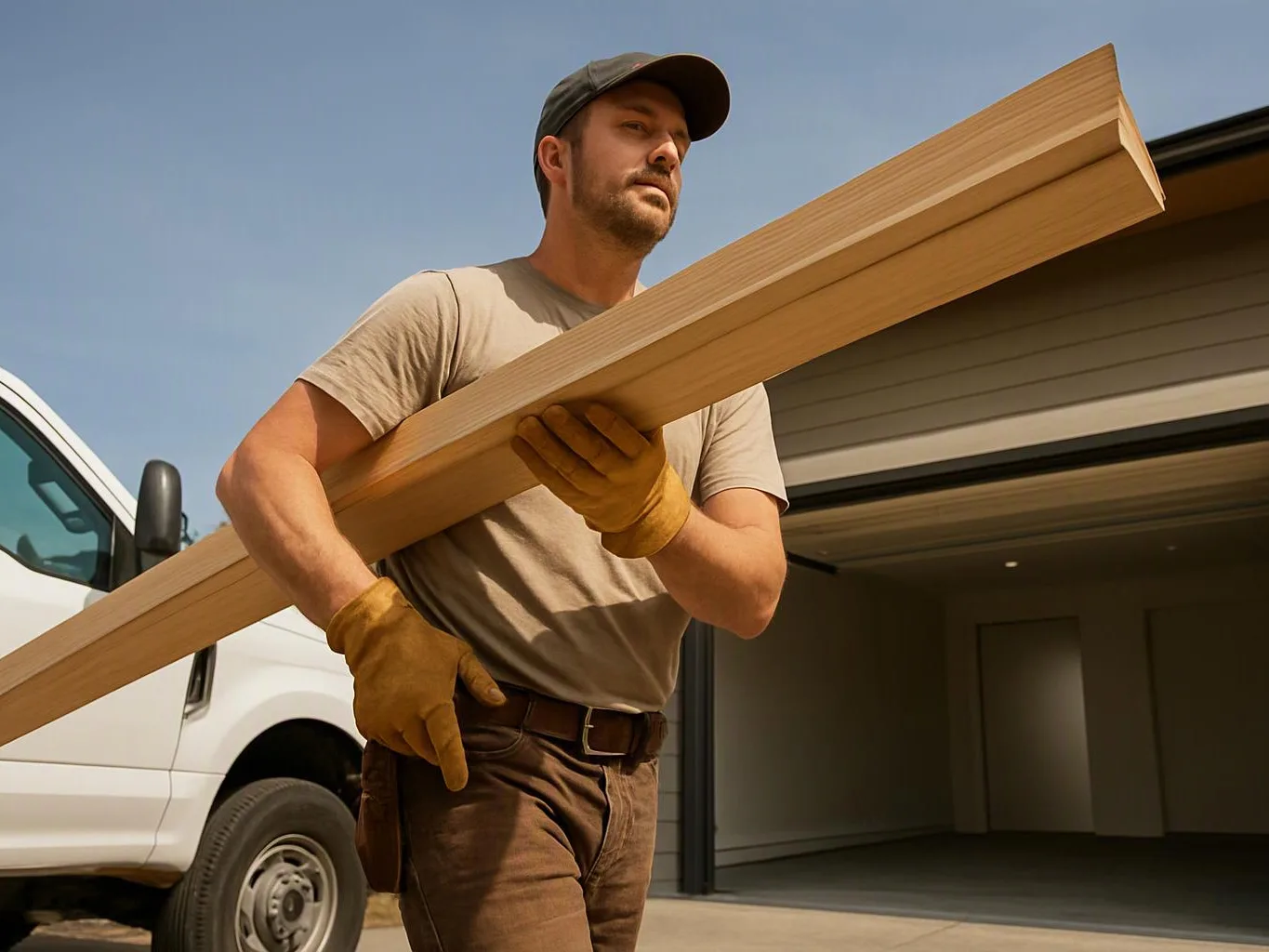
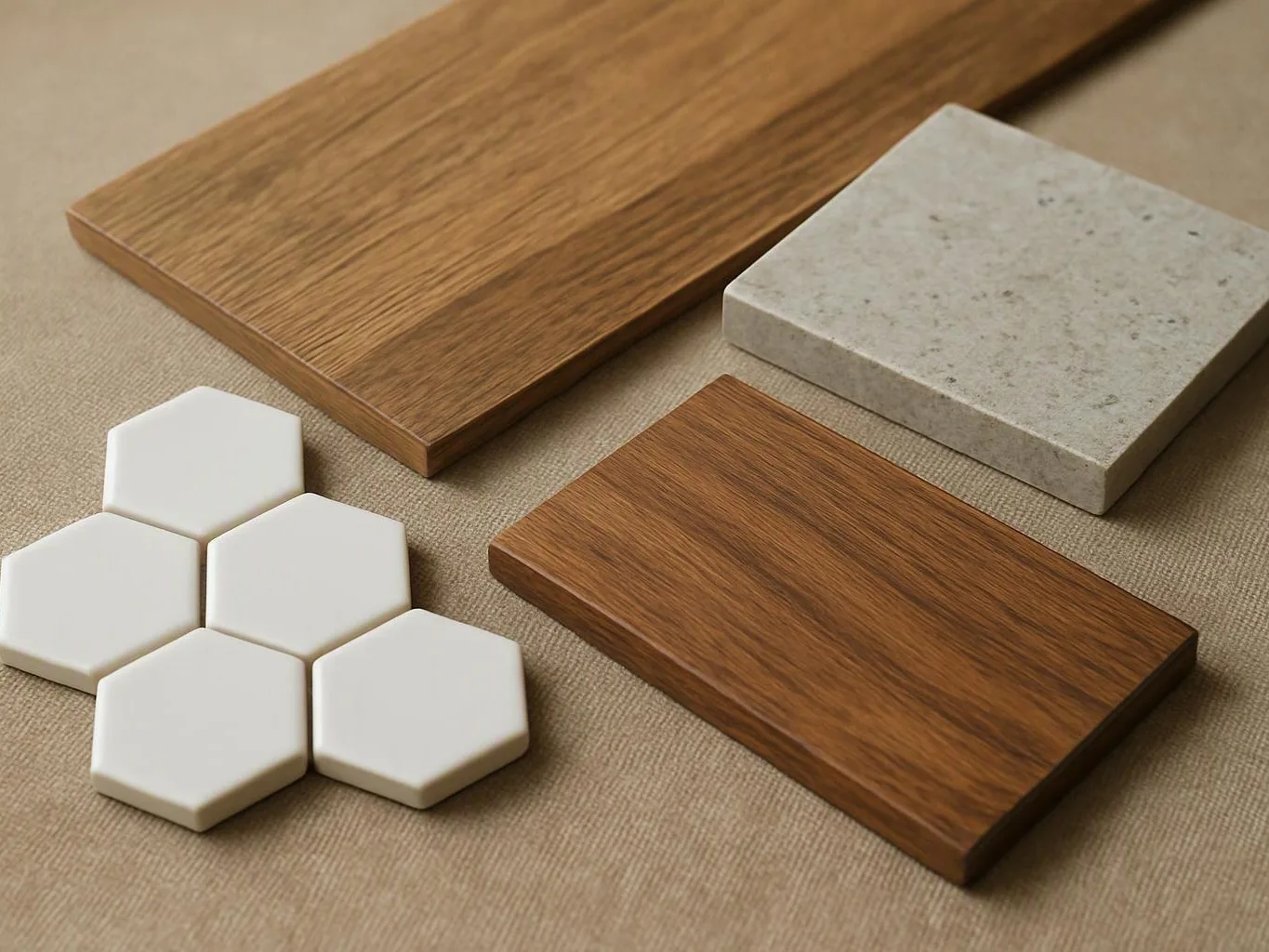
Softwood is commonly used for painted trim, while hardwood suits stained details and visible grain. Medium density fiberboard gives paint a smooth face, wood veneer adds a natural-wood surface, and composite trim provides consistent profiles. HomeRemodelIssaquah.com compares the material with the room's finish plan, existing trim, moisture exposure, and desired look before setting the scope.
How do you choose between painted trim and stained wood?
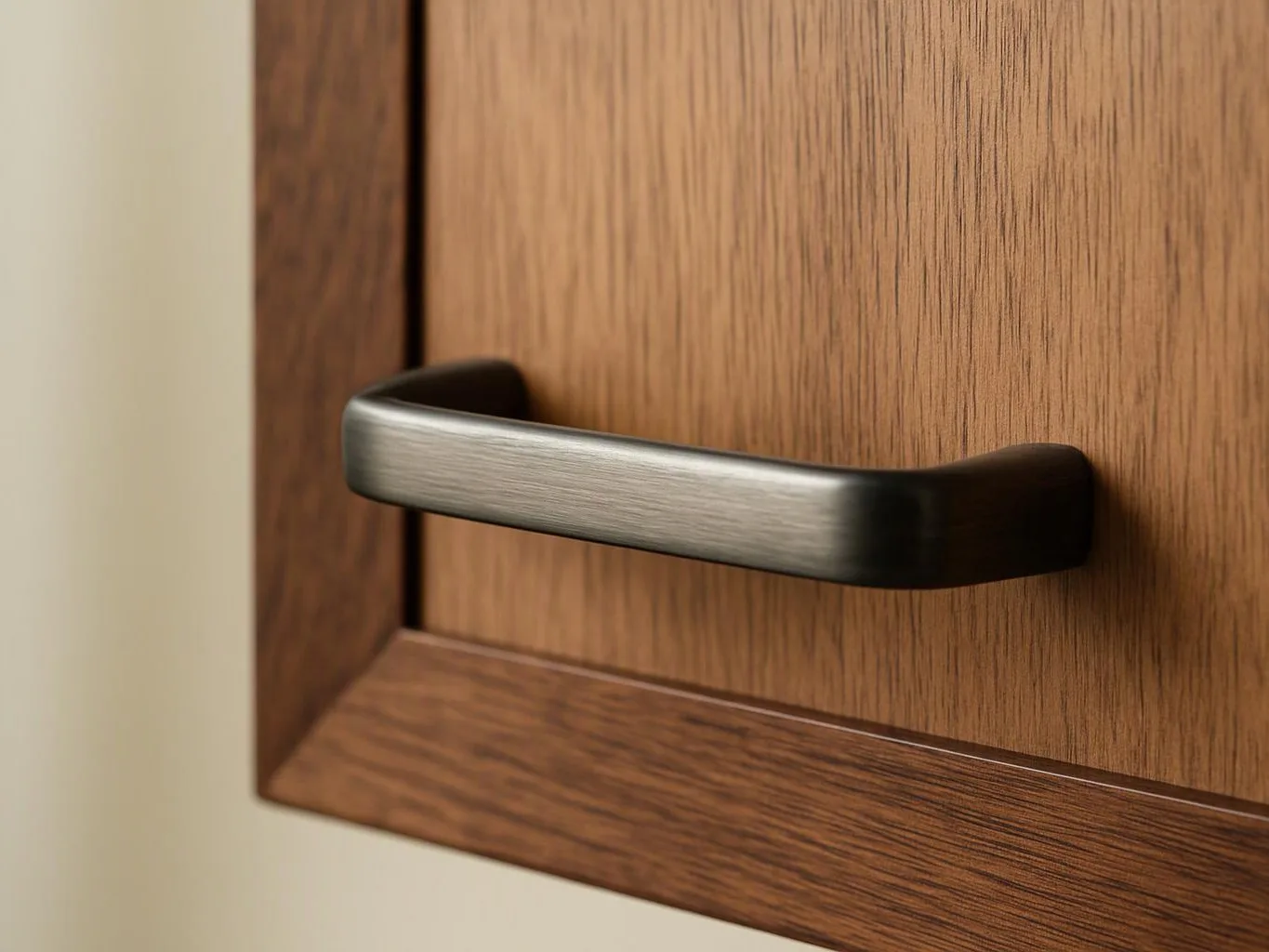
Painted trim suits a smooth, uniform surface, while stained wood keeps visible grain as part of the design. The choice depends on nearby doors, cabinets, flooring, and the planned color treatment. We also check whether existing trim can be matched, because a new profile can look out of place beside older woodwork.
What should be ready before requesting a finish carpentry estimate?
Room locations, photos, desired changes, and any known material preference give us a useful starting point. A written list should name baseboards, casing, panels, cabinet edges, or other details involved. We then review the surrounding flooring, walls, and cabinetry so the estimate reflects coordination needs instead of trim pieces alone.
When does finish carpentry fit a remodeling project?
Finish carpentry fits after the room layout and rough work are settled, when visible trim and interior details need completion. It works well with flooring, cabinetry, painting, bathroom updates, basement finishing, and additions. Structural framing, hidden plumbing, and electrical repairs need attention before the visible woodwork can be completed.
Why do new trim pieces fail to match existing woodwork?
New trim can look different when its profile, thickness, material, grain, or finish does not match the existing piece. We compare a sample or exposed section with nearby casing and baseboards before ordering or cutting. That check helps decide whether to match the old profile, replace a connected run, or create a deliberate new detail.
What changes the estimate for custom interior trim?
Material, profile, room count, opening count, surface condition, and finish treatment change the estimate for custom interior trim. Long runs and repeated openings require careful layout, while repairs may need extra preparation around existing surfaces. We include those details in the scope so you can compare the requested work clearly.